How Often Should You Wax Your Legs? A Denver Waxer’s Guide
Leg waxing sounds simple until you start trying to time it. One week, your legs still feel pretty smooth. The next, you notice a few hairs coming in and wonder whether you’re supposed to book now, wait longer, shave “just this once,” or pretend you didn’t see anything. Very normal. Waxing has a different rhythm than shaving, and most people are not taught that rhythm before their first appointment.
For most clients, the best leg waxing schedule is every four to six weeks. That usually gives the hair enough time to grow back to a waxable length without letting the whole process feel like you’re starting over every time. Some people do better closer to four weeks. Some can stretch closer to six. The ultimate answer to timing depends on your own hair growth speed, your shaving history, your skin, and how smooth you want to stay between appointments.
In Denver, there’s another piece that matters: dry skin. Colorado air does not play. When your skin is dry, rough, or overdue for some care, waxing can feel less comfortable and your legs may not feel as silky afterward, even when the hair is removed well. So yes, timing matters. But what you do between appointments matters too.
Let’s talk through how often you should wax your legs, what affects your schedule, and how to make the whole thing feel more predictable.
The Simple Answer: Every Four to Six Weeks
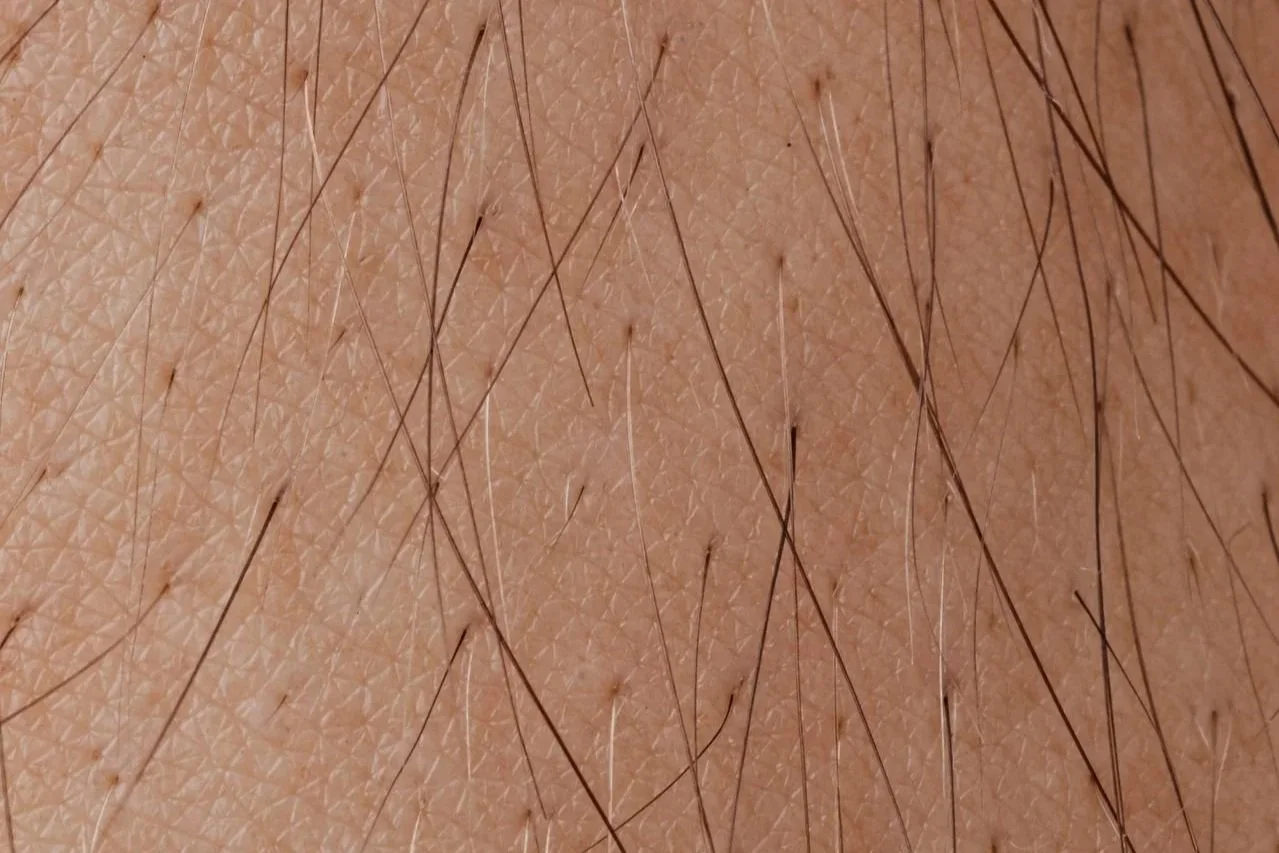
Most people should wax their legs about every four to six weeks.
That range gives the hair time to grow long enough for the wax to grip. It also keeps you on a regular enough schedule that your hair growth can start to feel more even over time.
Coming in too soon can be frustrating because some hair may be too short to remove cleanly. Waiting too long can be frustrating for the opposite reason: you may feel like you’re fully grown out again, and if you shave in the meantime, your next wax can feel less smooth or less complete.
A four-week schedule is usually best for clients whose leg hair grows quickly, looks darker or more visible, or feels bothersome soon after waxing. A five-week schedule works well for many regular leg waxing clients. A six-week schedule can work if your hair grows slowly, comes in finer, or you’re comfortable with more regrowth between appointments.
None of these schedules are “better” than the other. You are not winning at waxing because you can wait six weeks. You are not high-maintenance because you like four. The right schedule is the one that works for your hair, your skin, and your actual life.
Why Timing Matters With Leg Waxing
Shaving and waxing don’t work on your hair in the same way.
Shaving cuts the hair at the surface. You see hair, you remove it, and then stubble shows up quickly because the root is still there. Waxing removes hair from the root, which gives you a longer smooth window and softer-feeling regrowth for many people.
But waxing needs enough hair to work with.
The hair on your legs is not all growing on one perfect schedule. Some hairs are long enough to wax. Some are just starting to come through. Some are still under the skin. This is especially true if you’ve been shaving for years because shaving keeps cutting visible hair at different points in the growth cycle.
That’s why your first leg wax might not catch every single hair in a perfectly even way. It does not automatically mean the waxer missed everything or that waxing “doesn’t work” for you. It often means your hair growth is still uneven from shaving.
With consistent waxing, more hair is removed from the root at around the same time. Over a few appointments, your grow-out periods can start to feel more predictable. That’s when a regular leg waxing schedule starts to make sense instead of feeling like a guessing game.
How Long Should Leg Hair Be Before Waxing?
A good rule is to stop shaving about two to three weeks before your first leg wax.
The hair usually needs to be about a quarter inch long, which is often compared to a grain of rice. It does not need to be wildly long. It just needs to be long enough for the wax to grab.
This is where a lot of first-time leg waxing frustration comes from. Someone shaves a week before their appointment because they don’t want to feel too hairy, then comes in and the wax can’t remove everything cleanly. The issue is not that waxing failed. The hair was just too short.
Your waxer would almost always rather have a little more hair to work with than not enough.
After your first appointment, you usually will not need to grow everything out from scratch again as long as you stay on schedule and avoid shaving between waxes. That’s one of the biggest benefits of consistency. The routine becomes easier once you’re not constantly resetting the hair.
Your First Leg Wax Is the Starting Point
A first leg wax can be great, but it’s not always the final version of your results.
Clients sometimes expect the first appointment to create perfectly smooth legs for weeks and weeks, especially if they’ve heard that waxing lasts longer than shaving. It does last longer for many people, but your first wax is still working with your current hair growth pattern.
After years of shaving, some hairs may be ready to remove from the root and others may not be long enough yet. Some areas may feel smoother than others. Lower legs may grow differently than thighs. The hair may feel more blunt at first because shaving cuts it straight across.
This usually improves with consistency.
After a few leg waxes, many clients notice the regrowth feels softer. It may look less harsh than shaving stubble. They may get a better feel for how long they stay smooth and when they need to come back.
So try not to judge your entire waxing future based on one appointment, especially if your first wax happens after a long relationship with the razor. The first wax gives you information. The next few appointments help build the routine.
What Affects How Often You Should Wax Your Legs?

Your natural hair growth is the big one. Some people grow hair quickly. Some people barely notice regrowth for weeks. Genetics, hormones, age, hair texture, and even certain health changes can affect how your hair grows.
Your shaving history matters too. Frequent shaving can leave your hair in different stages, which may make the first few waxes less even. Once you stop shaving between appointments, your waxer can get a clearer picture of your true growth pattern.
Your goals also matter. Some clients want to feel as smooth as possible most of the time. They usually prefer coming in closer to every four weeks. Other clients are mainly trying to avoid shaving and do not mind some grow-out, so five or six weeks may feel fine.
Your skin care plays a role, especially here in Denver. Dry skin can make your legs feel rough even when the hair has been removed. It can also contribute to buildup around the follicles, which may make regrowth feel less comfortable.
This does not mean you need a complicated twenty-step leg routine. Please do not panic-scrub your legs like they owe you money the night before your wax. Gentle, consistent care is usually much more helpful than aggressive last-minute exfoliation.
Your schedule and lifestyle matter too. Travel, weddings, vacations, pool days, workouts, and warm-weather plans can all affect when you want to feel smooth. If you’re waxing for an event, don’t make your first leg wax the day before. Give yourself time to see how your skin responds.
A Good Beginner Leg Waxing Schedule
For your first leg wax, stop shaving two to three weeks before your appointment.
Then book your second wax about four to five weeks later. That second appointment is useful because it shows how your hair grows back after waxing instead of shaving.
From there, adjust.
If your hair was definitely ready before the appointment, you may be closer to a four-week client. If you barely had enough growth at five weeks, you may be able to stretch closer to six. If some areas were ready and others were not, your waxer can help you decide what timing makes the most sense.
The main thing is to avoid shaving between appointments if your goal is better waxing results. Shaving puts the hair back on a different schedule. It can make the next wax feel less complete because some hairs may be too short to remove from the root.
Does shaving once ruin your life? No. We’re not being dramatic. Sometimes there’s a trip, a date, a pool party, or a moment in bad bathroom lighting where the razor wins. But if you shave every time you see a little hair, you’ll probably keep feeling like waxing never fully gets ahead.
Consistency is where the results get better.
Why Four Weeks Works for Some Clients
A four-week leg waxing schedule is helpful when your hair grows quickly or you like staying smoother more consistently.
This can be especially true for clients with darker leg hair, coarser hair, or hair that feels noticeable as soon as it starts coming back. Four weeks can also be a good schedule in the beginning while your hair growth is still evening out.
Some clients simply prefer it. They like knowing they have an appointment every month. They do better with a routine. They don’t want to wait until they feel overdue, which is completely valid.
Waxing is partly about results, but it’s also about how you want to feel in your own skin. If seeing regrowth at week four annoys you, there is no reason to stretch to six weeks just because someone else can.
Why Five to Six Weeks Works for Other Clients
A five-week schedule is a nice middle ground for many leg waxing clients. It gives the hair enough time to grow while still keeping appointments consistent.
Six weeks can work for clients whose hair grows more slowly or comes back finer after regular waxing. It may also work for someone who is not trying to stay completely smooth at all times and is comfortable with more visible regrowth before the next appointment.
The only real issue is waiting so long that you end up shaving in between because you can’t stand it anymore. At that point, a slightly shorter waxing schedule may actually be easier.
Your schedule should support the routine, not make you white-knuckle your way through week five while side-eyeing your razor.
What Clients Commonly Do Wrong Between Leg Waxes
As we keep mentioning, and as you will continue to read over and over again throughout our blog posts, the most common mistake is shaving between appointments.
Again, no shame. It happens. But it does affect your results. Shaving cuts the hair at the surface and creates blunt regrowth. It also means some hair may not be long enough by your next wax, which can leave you with a less smooth result than you wanted.
Another common mistake is coming in too soon. Clients feel a little stubble and think it’s time to wax immediately. But the wax needs enough length to grip. Hair that is barely poking through may bother you, but it may not be ready to remove.
Waiting way too long can also create problems. If you push appointments far apart, especially in the beginning, you may lose some of the benefit of getting the hair on a more even cycle.
Skin care mistakes are common too. Some people ignore their legs completely between waxes, then wonder why the skin feels dry or rough. Others go too hard with scrubs, exfoliating gloves, acids, or random products from the back of the shower.
Your skin does not need to be bullied into being smooth.
Gentle exfoliation a couple of times a week and regular moisturizing are usually more helpful than doing the most. Avoid heavy lotions or oils right before your appointment, though. Wax needs to grip hair, and too much product on the skin can get in the way.
What Actually Helps Your Leg Wax Last Longer
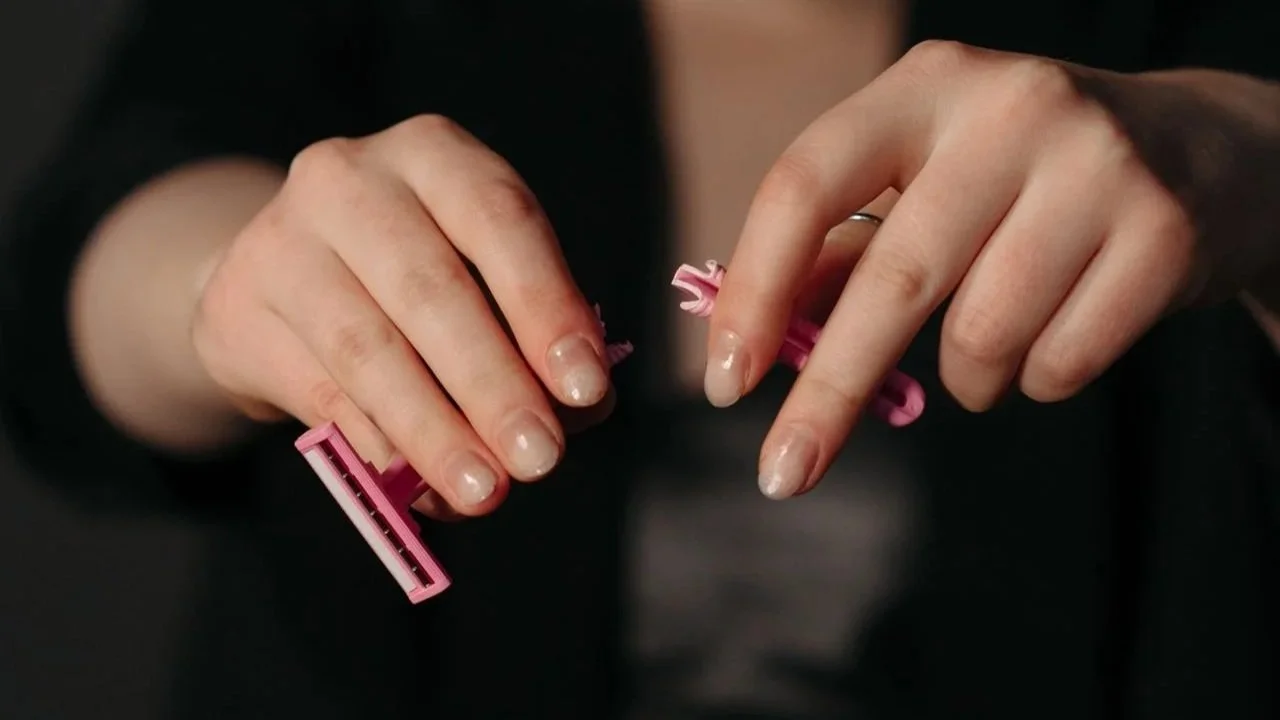
The biggest thing is staying consistent.
A regular leg waxing schedule helps your waxer remove hair at the right length and helps your grow-out become more predictable over time. This is what makes waxing feel less like a random appointment and more like a routine.
The second thing is putting the razor down between waxes. The razor is not a thing anymore, or at least it’s not the thing if your goal is smoother waxing results.
The third thing is caring for your skin between appointments. In Denver’s dry climate, moisturizing matters. Dry legs can feel rough even after a good wax. Gentle exfoliation can help with buildup, but timing matters. Do not exfoliate immediately before or after waxing unless your waxer gives you specific instructions.
It also helps to wear comfortable clothing after your wax, especially if your skin tends to be sensitive. Give your legs a little breathing room.
And do not tweeze random patches before your appointment. I know it feels productive. It usually is not. Your waxer needs hair to wax, and picking at individual hairs can make the growth pattern more uneven.
What’s Normal After a Leg Wax?
A little pinkness after a leg wax can be normal. Mild sensitivity can be normal too, especially if it’s your first time, your skin is dry, or you’re waxing after a long stretch of shaving.
It’s also normal to see some regrowth before your next appointment. Waxing removes hair from the root, but it does not permanently stop new hair from growing. You should expect a smooth window, then gradual grow-out.
Your first few appointments may not all last the same amount of time. That can be normal while your hair growth is adjusting.
What’s not something to ignore is severe irritation, worsening redness, blistering, swelling, signs of infection, or anything that feels unusual for your skin. In those cases, check with a qualified professional. Calm does not mean ignoring your body.
Also tell your waxer about relevant skin products, prescriptions, recent sun exposure, or skin changes. You don’t need to give a dramatic speech. Just give enough information to help protect your skin.
How Denver’s Dry Climate Changes the Conversation
Leg waxing in Denver comes with the same basic timing rules as anywhere else, but the dryness here deserves attention.
Dry skin can make legs feel less smooth, even when the wax removed the hair well. It can also make the skin feel tighter or more reactive. Some clients think they need to exfoliate more, when what they really need is consistent moisture and a gentler routine.
This is especially true during colder months, after travel, or when you’re spending time in dry indoor heat. Your legs may need more care than you think.
A simple routine is usually enough: moisturize regularly, exfoliate gently when appropriate, avoid harsh scrubbing right around your appointment, and show up with clean skin.
That’s not glamorous advice, but it works.
How a Professional Waxer Thinks About Your Schedule
A professional waxer is not only looking at whether hair exists.
They’re looking at length, density, direction of growth, skin condition, dryness, sensitivity, and whether your hair looks like it has been shaved recently. They may notice that your lower legs are ready before your thighs. They may notice that your skin needs more moisture. They may notice that your schedule should be adjusted by a week in either direction.
That kind of guidance is one of the benefits of going to a professional waxing studio instead of guessing on your own.
At Gold Rush Esthetics, the focus is efficient, quality waxing in a clean, comfortable environment. The client experience matters: thorough work, protecting the skin, keeping things as comfortable as possible, and not making you feel judged for normal hair on a normal body.
Some clients are consistent waxers who love booking ahead. Some come in before a vacation. Some are trying to break up with shaving because they’re tired of stubble, irritation, or spending so much time with a razor. All of that is fine.
A good waxing schedule should meet you where you are while still being honest about what gives you the best results.
So, When Should You Book Your Next Leg Wax?
For most people, start with five weeks after your first leg wax or your last shave.
That gives you a realistic middle point. If your hair grows back quickly, move your next appointment closer to four weeks. If your hair is still too short at five weeks, stretch closer to six.
After two or three appointments, you’ll have a much better idea of your personal leg waxing schedule.
Try not to base the decision only on the first hair you see. A little regrowth does not always mean the hair is ready to wax. The better question is whether enough hair is long enough for the wax to remove properly.
If you’re planning around a trip, wedding, or special event, give yourself room. Once you know how your skin responds, you can usually time your wax a couple of days before you want to be smooth. For a first-time leg wax, build in more space so you’re not testing your skin right before something important.
The Bottom Line on Leg Waxing Timing
Most clients do best waxing their legs every four to six weeks.
Four weeks may be better if your hair grows quickly or you want to stay smoother. Five weeks is a good middle ground. Six weeks can work if your hair grows slowly or you’re comfortable with more regrowth.
The biggest thing is consistency. Let the hair grow enough before your appointment. Skip the razor between waxes when you can. Take care of your skin, especially in Denver’s dry air. And don’t judge your entire waxing experience based on one first appointment after years of shaving.
Leg waxing does not need to be complicated. It just needs the right timing, realistic expectations, and a waxer who knows what they’re looking at.
