Can You Use a Homemade Scrub or Oil After a Brazilian Wax? Sometimes “Natural” Is Not Gentler
A jar of sugar, a splash of oil, maybe a few drops of something that smells expensive. Homemade body scrub feels simple, natural, and harmless. You already have the ingredients. You know exactly what went into it. Why buy a wax-specific product when the little glass jar in your shower seems to exfoliate and moisturize at the same time?
Because your Brazilian area is not your elbow.
That doesn’t mean every homemade scrub or oil is automatically bad. It does mean a product that works perfectly well on your legs, feet, or arms may be a poor match for freshly waxed skin. Texture matters. Fragrance matters. Timing matters. How often you use it matters. Your skin’s actual response matters most.
At Gold Rush Esthetics, I’m not going to declare all homemade aftercare evil and send your coconut oil to the principal’s office. I am going to look at what you’re using, how you’re using it, and what your skin is doing between appointments. After thousands of Brazilian waxes, I’ve seen plenty of clients unintentionally make dryness, bumps, or clogged follicles worse while trying very hard to take good care of their skin.
“Natural” sounds gentle, but skin doesn’t read marketing labels.
Why Aftercare Matters More Than Clients Expect
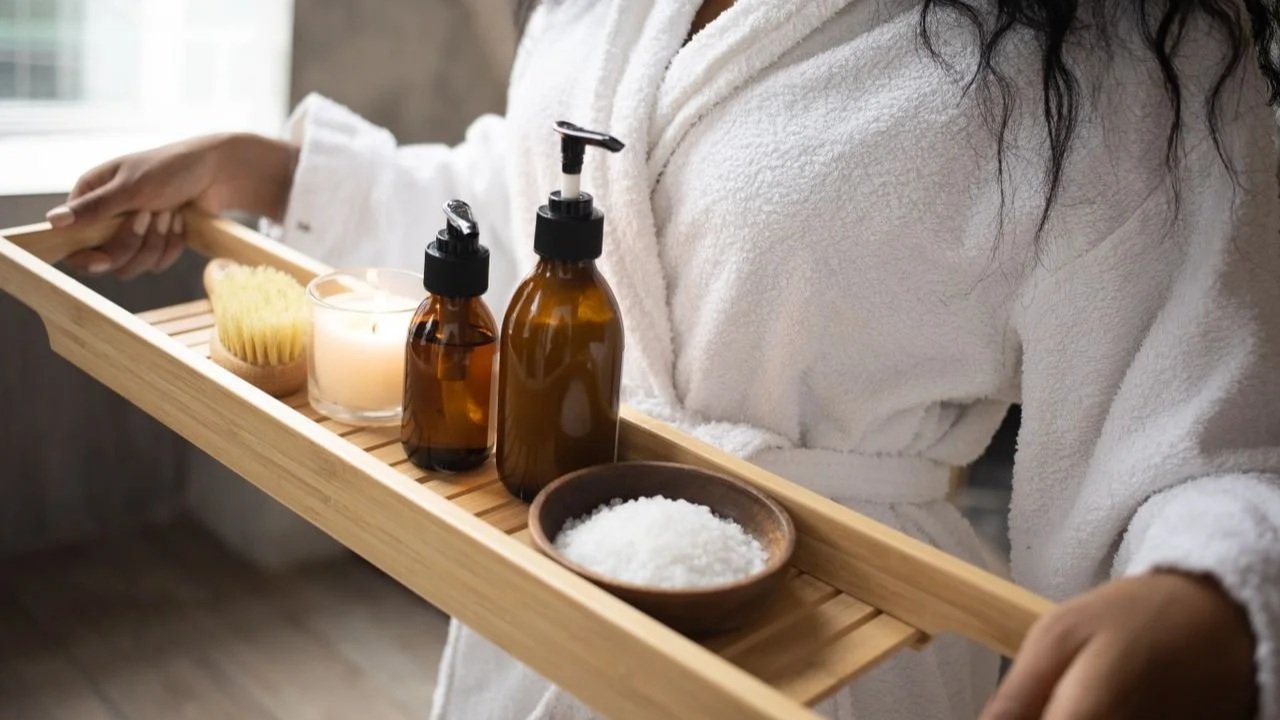
A Brazilian wax removes hair from the root. It also temporarily leaves the skin more vulnerable to friction, heat, sweat, heavy products, and overhandling. That is why the routine immediately after your appointment should not look exactly like your normal shower routine.
Your job after a wax is not to attack the skin into smoothness. It is to let the area settle, then support it as the next round of hair begins growing.
Exfoliation and moisture both matter, especially here in Colorado. Denver’s dry air can make skin feel tight, flaky, or rough much faster than clients expect. A product may also seem to “disappear” into dry skin, which can tempt you to apply more and more of it. More is not always better, particularly when the product is thick, fragranced, or highly occlusive.
The goal is balanced skin. You want enough exfoliation to help remove dead surface cells that can interfere with emerging hair, but not so much that the area becomes raw or irritated. You want enough moisture to keep the skin comfortable and flexible, but not a heavy coating that sits on the area and creates buildup.
Wax aftercare is not busywork, and it is not something a waxer recommends just to add another item to your total. The right routine can make a meaningful difference in how your skin looks, how the hair grows back, and how comfortable future waxes feel. Gold Rush Esthetics puts a strong emphasis on protecting skin integrity, using quality products, and helping clients understand what happens after they leave the studio.
What Makes a Homemade Scrub Risky After a Brazilian Wax?
A homemade scrub usually has two basic parts: something gritty and something oily. Common versions include sugar mixed with coconut oil, salt mixed with olive oil, coffee grounds in a carrier oil, or a combination of pantry ingredients and essential oils.
The problem is not simply that the product came from your kitchen. The problem is that homemade mixtures are hard to control.
The particles may be rougher than they feel in your hand
Sugar crystals can have uneven edges. Salt can feel even sharper. Coffee grounds vary in size and do not dissolve the way sugar eventually does.
On thicker body skin, that may not bother you. On the waxed area, aggressive scrubbing can create unnecessary irritation. Clients often tell me they are using “gentle pressure,” then demonstrate a polishing technique that could remove paint from patio furniture.
You do not need to scrub until the skin squeaks.
A physical scrub works through friction. Pressing harder, scrubbing longer, or using it more often increases that friction. Once skin becomes irritated, adding another round of exfoliation because the area feels rough usually makes the cycle worse.
You cannot easily control the ratio
One batch may contain a small amount of oil. The next may be much heavier because you poured by feel. The sugar may dissolve slightly in a humid bathroom or clump at the bottom. You may keep adding oil as the jar dries out.
That inconsistency makes it difficult to figure out what your skin likes. When a professionally formulated product is used as directed, the texture and ingredient concentration stay relatively predictable, as opposed to a homemade mix that can change every time you make it.
The container can collect water and bathroom debris
Hands go into the jar. Shower water drips in. The lid stays open while you rinse. Then the mixture sits in a warm bathroom until the next use.
A homemade product usually does not contain a preservation system created for repeated exposure to water and handling. That does not mean every jar instantly becomes a science experiment, but it does add another variable you do not need around recently waxed skin.
The cute wooden scoop helps only when you consistently use it, keep it clean, and keep water out of the container. We both know how that plan tends to go by week two.
Why Plain Oil Is Not Automatically a Safer Choice
Oil sounds soothing. It reduces that dry, tight feeling and gives the skin an immediate sheen. That instant softness can make it feel as though the product is fixing the problem.
Sometimes it helps, and sometimes it simply coats the surface.
Different oils have different textures, absorption rates, and effects on different people’s skin. A lightweight oil that works well for one client may contribute to bumps or buildup for another. A heavier oil may feel wonderful on dry legs while being far too much for an area covered by underwear for most of the day.
The Brazilian area already deals with heat, friction, sweat, close-fitting clothing, and skin-to-skin contact. Adding a generous layer of a thick oil can create an environment your skin does not appreciate.
Oil-related follicular irritation is a recognized issue, and dermatology resources note that avoiding contact with the responsible oily substance is part of managing oil folliculitis. (DermNet®) That does not mean every bump after applying oil is folliculitis, and it does not mean oil is universally forbidden. It means recurring bumps deserve a closer look at what you are applying.
Another common mistake is using oil as the only form of aftercare. Oil can reduce moisture loss by coating the skin, but it does not exfoliate. A client may apply more oil every day because the area still feels textured, while dead skin continues to accumulate around growing hairs.
Moisture and exfoliation have different jobs. One product does not necessarily do both well just because the label, recipe, or TikTok video says it does.
Coconut Oil: Popular, Convenient, and Not Right for Everyone
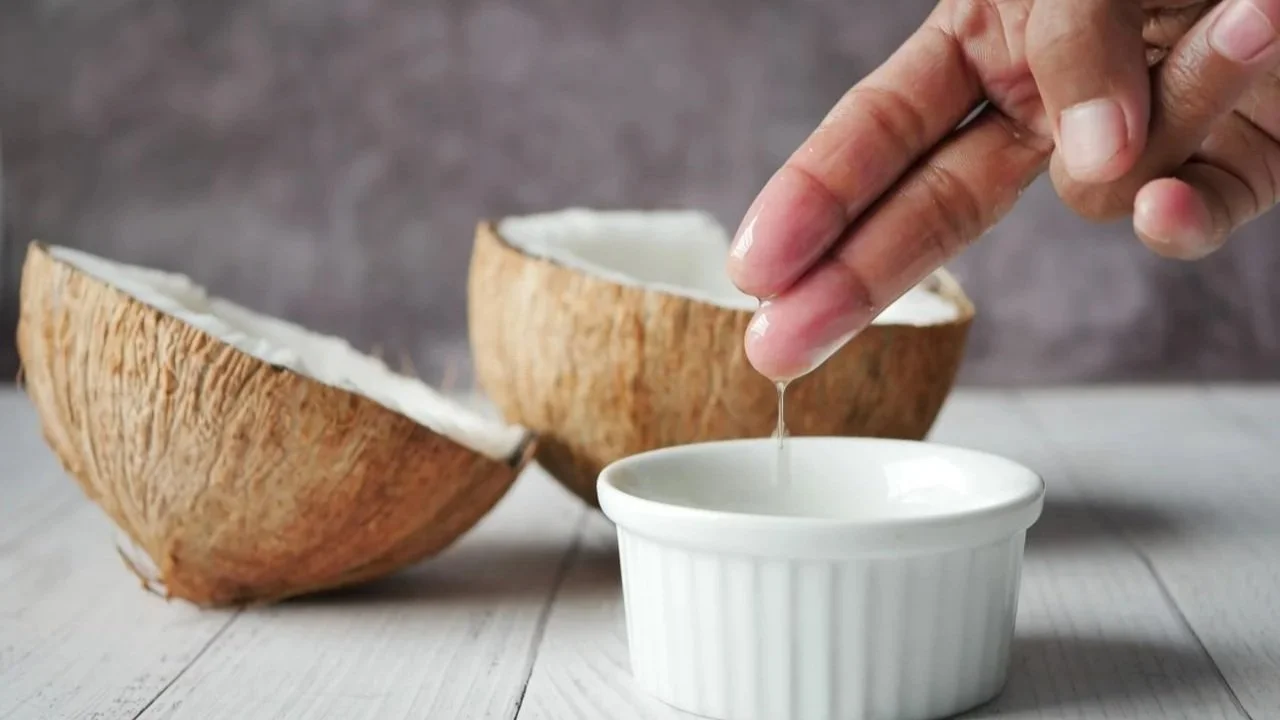
Coconut oil is probably the ingredient I hear about most.
Clients like it because it is inexpensive, easy to find, smells familiar, and can make dry skin feel soft immediately. Some people use it all over their bodies without any obvious problem.
The waxed area may respond differently.
Coconut oil is fairly heavy and can sit on the skin. For someone who is prone to clogged follicles or bumps, that can be too much, especially when applied generously under tight underwear. The issue may not appear after the first use. It can build gradually, so the client assumes the wax caused the bumps even though the timing lines up with what they started applying afterward.
This is one reason I ask about the full routine. What body wash are you using? Are you applying scented lotion? Did you start a new workout schedule? Are you scrubbing every day? Did you make an oil blend? Are you putting it on immediately after the shower and then getting dressed?
Skin reactions often come from the combination, not one dramatic mistake.
I am not interested in winning an argument against coconut oil. I am interested in whether it is working for your skin. Consistent congestion, itching, new bumps, or a coated feeling are useful information. Your pantry ingredient does not get loyalty points.
Essential Oils and Fragrance Can Complicate a “Natural” Recipe
Homemade aftercare often includes tea tree, lavender, peppermint, lemon, eucalyptus, or another essential oil. The reasoning usually makes sense on the surface. The oil is associated with calming, cleansing, or freshness, so a few drops seem like a helpful upgrade.
Essential oils are concentrated plant compounds. Natural does not mean nonreactive. Allergic contact dermatitis from essential oils is well documented, despite the widespread belief that natural ingredients are inherently safer. (Springer Link) Fragrances and botanical ingredients are also among the components associated with allergic reactions to personal-care products. (JAAD)
Freshly waxed skin is absolutely NOT the time to test your inner cosmetic chemist.
Fragrance can be especially confusing because a product may smell clean, luxurious, or calming while the skin underneath becomes progressively irritated. Added scents can trigger irritation or allergic reactions in sensitive skin, which is why dermatologists frequently recommend fragrance-free products for reactive skin. (American Academy of Dermatology)
Also, “unscented” and “fragrance-free” are not always interchangeable. An unscented product may contain ingredients that mask its natural smell. This is where reading the full label matters more than trusting the wording on the front.
Timing Can Turn a Decent Product Into the Wrong Product
A product might be acceptable later in your waxing cycle and still be a bad choice right after your appointment.
The skin immediately following a Brazilian wax needs a quieter routine. Scrubbing freshly waxed skin because you want to prevent ingrown hairs before they begin is too much, too soon. You are not getting ahead. You are adding friction to skin that has already had plenty of activity for the day.
The same goes for layering multiple products immediately after the wax. A homemade oil, scented body butter, exfoliating serum, and a little spot treatment are not a sophisticated routine. They are four chances for the skin to object.
Follow the aftercare timing you receive from your waxer. Do not exfoliate skin that still feels hot, tender, or noticeably irritated. When it is time to begin, use the amount and frequency recommended for your skin rather than deciding that daily scrubbing must work twice as fast as every other day.
It will not.
Clients who struggle with bumps often fall into one of two groups. The first group is barely exfoliating at all. The second is exfoliating like they have a personal issue with their epidermis. Both can end up frustrated.
What I Look at Before Recommending Aftercare
There is no single routine that every Brazilian wax client in Denver must follow in exactly the same way.
At Gold Rush Esthetics, the recommendation is based on what I see and what you tell me. That includes:
The texture of your skin
How dry or oily the area tends to feel
Whether you are prone to ingrown hairs or clogged follicles
The thickness and growth pattern of your hair
How your skin responded to the wax
What products you already use
How often you realistically follow an aftercare routine
That last one matters. A nine-step plan you will abandon by Thursday is not better than a simple routine you will actually maintain.
I also pay attention over multiple appointments. Skin can look calm on wax day but develop bumps later in the cycle. Clients may say they have “always had ingrowns,” then we discover they have also always used the same heavily fragranced body lotion on the area. Another client may be using a good product much too often. Someone else may need more consistency rather than a stronger formula.
This is not about shaming what you bought or made. Bring me the label. Bring a photo of the ingredient list. Tell me exactly how often you use it and when. That is far more helpful than saying, “It’s just natural stuff”... “stuff”.
Poison ivy is natural. We still leave it alone.
A Better Way to Evaluate a Scrub, Oil, or Lotion
Before applying a product to freshly waxed skin, ask a few practical questions.
Where was it meant to be used? A foot scrub, facial oil, body butter, or kitchen recipe was not necessarily created with the Brazilian area in mind.
Does it contain fragrance or essential oils? Skin can react even when the product smells mild or uses plant-based fragrance.
How abrasive is it? Large particles, sharp crystals, and vigorous rubbing can be too aggressive.
Does it leave a thick coating? Pay attention to how the skin feels several hours later, not just immediately after application.
Can you use a consistent amount? More product does not equal more protection.
What happens over several days? New itching, congestion, tenderness, or clusters of bumps may mean the product is not agreeing with you.
Are you changing several things at once? Introduce products one at a time when possible. Otherwise, it becomes nearly impossible to identify the problem.
A patch test can be helpful when trying a new product, although it cannot guarantee that the Brazilian area will respond exactly like another part of the body. Stop using a product that causes burning, persistent itching, swelling, blistering, or a worsening rash. Contact a qualified medical professional when a reaction is severe, spreading, painful, draining, or not improving.
What Clients in Denver Commonly Get Wrong
The biggest misconception is that exfoliation should make the skin feel intensely polished. It should not hurt. It should not leave the area bright red. You should not need to brace yourself before using it.
Another mistake is applying regular scented body lotion to the waxed area because it works everywhere else. Facial skin gets its own cleanser and moisturizer because people understand it can be particular. The waxed area deserves the same basic logic. Your sparkly vanilla body cream can stay with your arms and legs.
Clients also tend to blame the most recent wax for every bump that appears afterward. Waxing may be part of the timing, but the cause can involve friction, sweat, product buildup, overexfoliation, fragranced products, or a combination of factors. Contact dermatitis, for example, can develop after skin is exposed to an irritating substance or allergen and may show up as itching, redness, swelling, or a rash. (Cleveland Clinic)
Then there is the cycle of trying to correct irritation with more products. The skin feels bumpy, so you scrub. It feels dry after scrubbing, so you add heavy oil. It becomes congested, so you apply an aggressive spot treatment. Now no one knows what started the problem.
Pause. Simplify. Let the skin give you useful feedback. Contact us with questions.
Colorado Skin Needs Moisture, but It Still Needs the Right Moisture
Denver clients have a legitimate reason to pay attention to hydration. Our climate can be unforgiving, and skin that feels comfortable elsewhere may become dry quickly here.
That still does not mean every rich product belongs on the waxed area.
A good post-wax moisturizer should support the skin without overwhelming it. Texture, ingredients, and amount all matter. In some cases, a lighter product used consistently works better than a thick oil used whenever the area starts feeling desperate.
This is also why I do not love the advice to “just use whatever lotion you already have.” Many body lotions contain fragrance or ingredients chosen to make the product feel and smell luxurious. That may be perfectly fine on your shins. It may be less successful in an area that is freshly waxed, covered, and prone to friction.
The products carried at Gold Rush Esthetics are chosen specifically with waxing aftercare in mind. That does not mean you are required to buy every bottle on the shelf. It means the recommendation has a reason behind it. I know what the product is, how clients tend to use it, and what role it is supposed to play in the routine.
The Best Product Is the One Your Skin Actually Tolerates
Can you use a homemade scrub or oil after a Brazilian wax?
Sometimes. Not immediately, not automatically, and not just because the ingredients are “natural”.
A homemade product may be too rough, too heavily fragranced, too oily, inconsistently mixed, or used far more often than your skin can tolerate. A store-bought product can also be wrong for you. The label is not the deciding factor. Your skin’s response is.
Aftercare should make the weeks between waxes easier. It should not create a second job or turn your bathroom into a laboratory (yeah I said that again). The right routine is usually straightforward: give freshly waxed skin time to settle, exfoliate with appropriate timing and pressure, moisturize with a suitable product, and adjust based on what your skin is showing you.
Bring a photo of the ingredient list to your next appointment, or ask us before putting a new scrub, oil, or lotion on freshly waxed skin. You will get a direct answer based on the formula, your timing, and your actual skin. No judgment. No dramatic disposal ceremony for your sugar scrub.
Just better information, which is usually what your skin needed in the first place.
